Long endurance drone
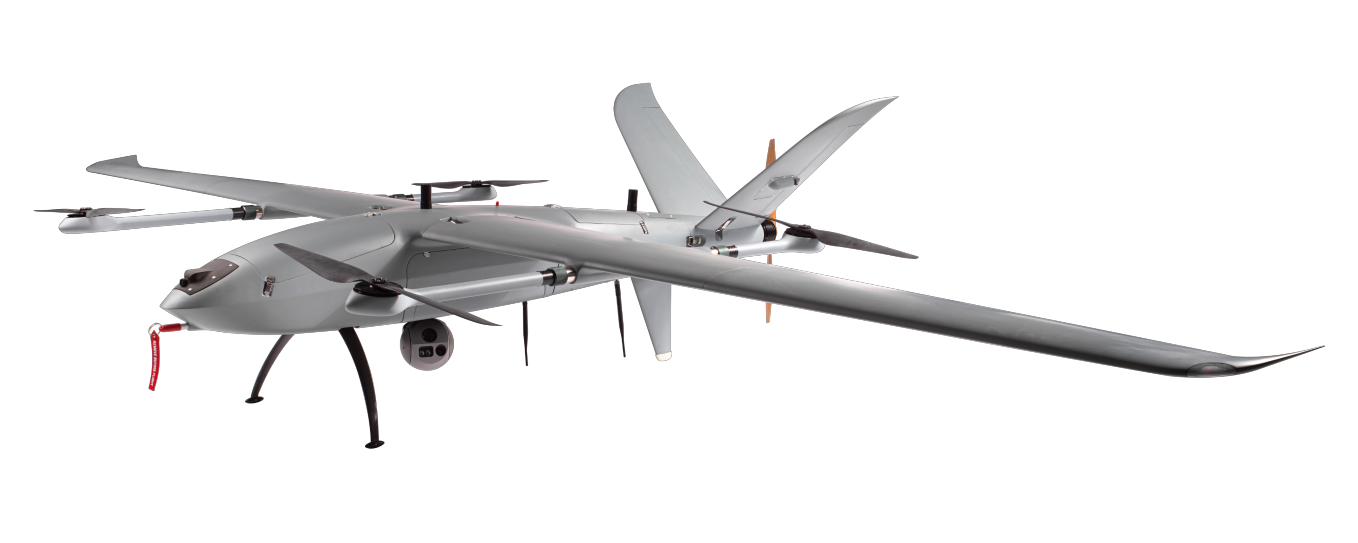
A VTOL fixed wing with a 4.8 meter wing-span and a range of up to 200kms that can be deployed for any application that requires BOTH high endurance and secure and reliable long-range communications to multiple command stations in real-time. Electric and Petrol versions available.
Long endurance drone
The Atlas-T craft has a 80min flight time that can be equipped with:
Ground Control System
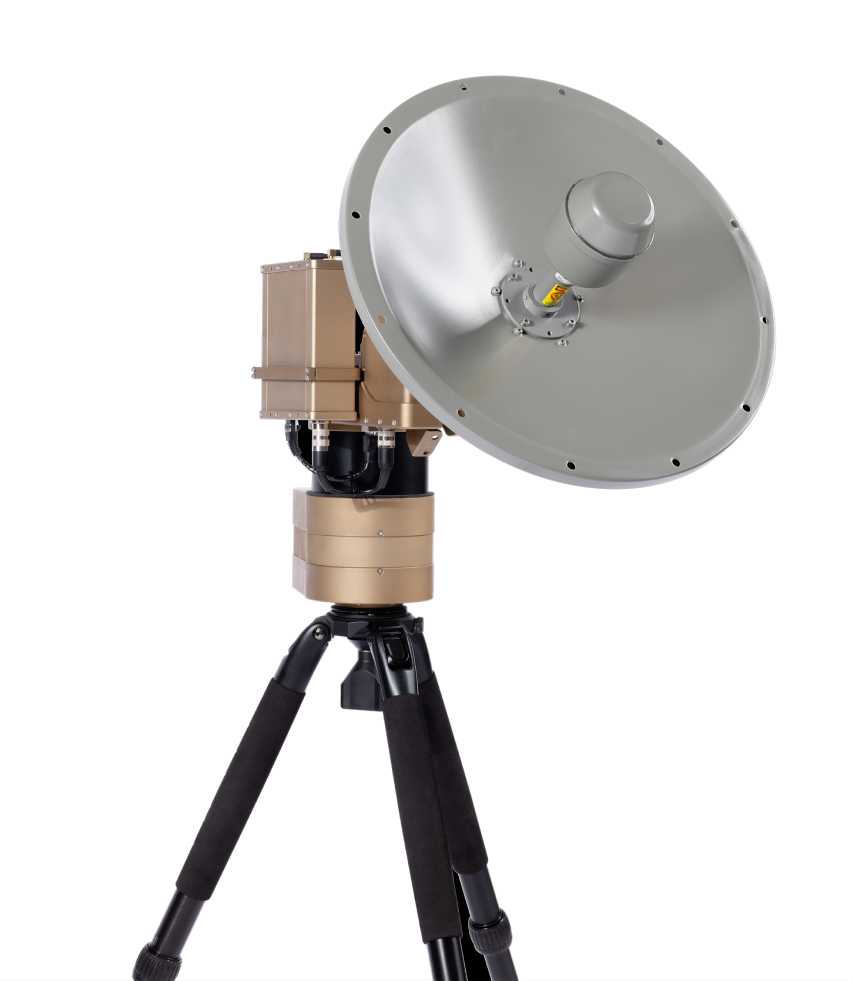
The Digital Datalink is a long-range wireless network that operates on the 2.4GHz frequency. It is intended to be used in UAV applications and can transmit encrypted IP, PPM and Serial communications. The Digital Datalink can support up to 25 Mbps over its IP network at 1W or 8W of RF power and can get long range wireless video up to 100km
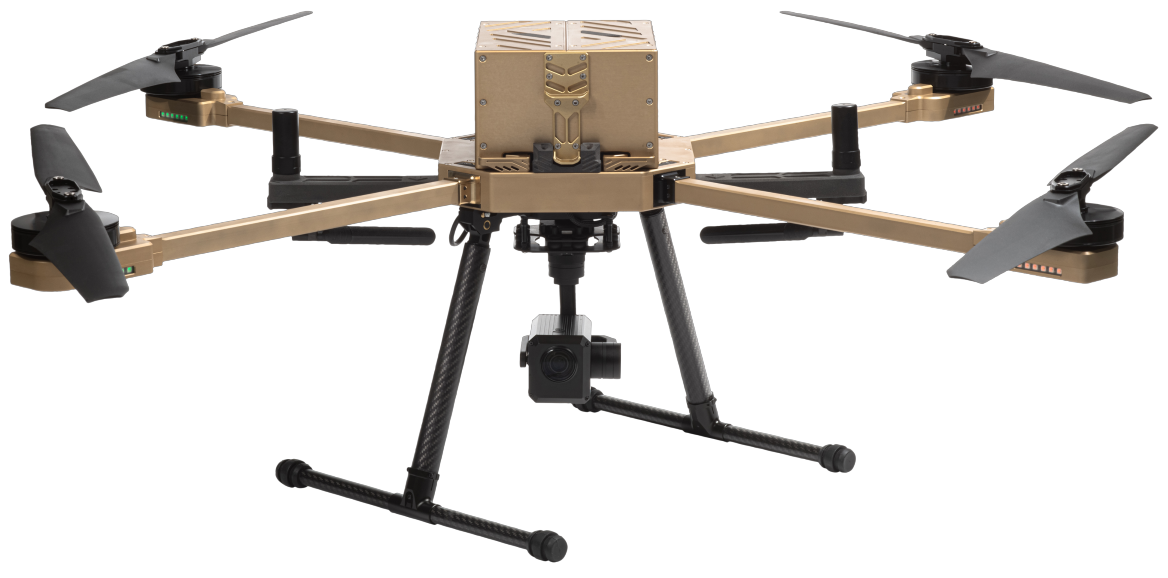
Yes, drones do make noise. The sound comes mainly from their spinning propellers and motors, which create a high-frequency buzzing or humming as they cut through the air. While smaller consumer drones are generally quieter than larger commercial or industrial drones, most are still noticeable—especially at close range.
A drone typically produces a buzzing, humming, or whirring sound. Many people compare it to the noise of a swarm of bees or an electric fan running at high speed. The exact sound can vary depending on the size of the drone, the type of propellers, and how fast it’s flying.
Drone noise levels are usually measured in decibels (dB). Small hobby drones often range between 50–70 dB from a short distance away—similar to the sound of a normal conversation or a vacuum cleaner. Larger professional drones can reach 80 dB or more, which is closer to the noise level of busy traffic.
Drones can sound loud because of the way their propellers move through the air. Each propeller blade generates small pressure waves, and when spinning rapidly, these combine into a noticeable buzz. Factors like propeller size, shape, and speed, as well as the number of rotors, can all make a drone sound louder. The larger the drone, the heavier the drone. The heavier the drone, the more the larger the propellors and thrust needed. The more thrust needed, the more noise that will be generated.
Yes — especially when equipped with Synthetic Aperture Radar (SAR). SAR creates detailed 2D and 3D images from radar reflections, making it effective at identifying human-sized targets. It uses radio or microwave frequencies that can penetrate foliage, haze, and terrain—ideal for detecting people even in forested or obscured environments.
An SAR sensor refers to Synthetic Aperture Radar, a radar technology mounted on a moving platform (like a drone or aircraft) that emits microwave pulses and processes their echoes to construct high-resolution images. Unlike visible-light sensors, SAR works day and night and through adverse weather.
Drones, or SAR drones, are now essential tools in emergency response.
They provide:
Aerial reconnaissance: Live streaming thermal and high-resolution visual feeds help locate missing individuals across vast or inaccessible terrain.
Real-time data relay: They supply critical situational insights back to command centers, facilitating swift decision-making and coordination.
Thermal imaging: Detects human heat signatures, even in low visibility conditions such as smoke, fog, or darkness.
Communication relay: In areas where infrastructure is down, drones can act as mobile communication nodes to support rescue teams.
Drones enhance search and rescue efforts through:
Rapid deployment: They can be airborne within minutes, crucial when every second counts.
Operation in challenging conditions: Equipped with thermal vision, night-vision, LiDAR, and radar, drones are effective in darkness, dense forests, rugged terrain, and bad weather.
Expanded coverage: Using swarm or coordinated multi-drone setups, teams can scan larger areas more thoroughly.
Vital-sign detection: Emerging UAV-mounted radars can detect human respiration and heart rate through debris or clothing, aiding rescues where victims are obscured.
Autonomous search capabilities: Advanced drones can autonomously navigate and identify individuals in cluttered environments like forests.
Aerial drones, which include fixed-wing, multirotor, and VTOL (Vertical Take-Off and Landing) designs. These are the most widely used for food delivery due to their flexibility and speed.
Delivery drone range varies widely depending on design, payload, and conditions:
Typical commercial drone systems cover 10–20 miles (16–32 km) round-trip.
Some, like Amazon and Zipline, operate in the 10–50 mile (16–80 km) range.
Ultra–long‑range systems, such as those from Windracers, boast proximities up to 1,000 km, though these are primarily for humanitarian/industrial applications.
On a practical scale, urban areas typically see delivery radius between 1.6 km (city) to 16–28 km (suburban), based on existing logistics norms.
Absolutely—drone food delivery is slowing becoming a reality:
Companies like Google Wing, Flytrex, Zipline, DroneUp, and Meituan are deploying food-delivery drones in various regions.
In the United States, large brands like Chick-fil‑A and Wendy’s have begun limited drone delivery trials.
Walmart, partnering with Zipline, launched a grocery drone delivery service in Mesquite, Texas, delivering lightweight orders within a 10-mile radius at speeds up to 70 mph.
Yes, many drones are capable of operating in low-light or nighttime conditions through various technologies:
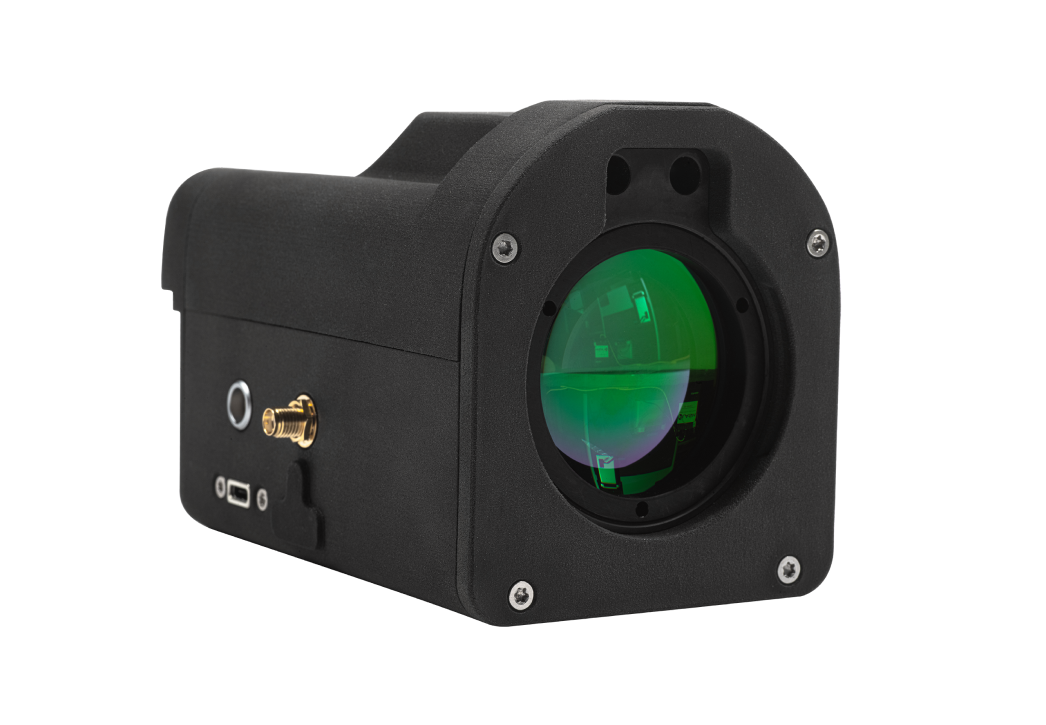
Starlight or low-light cameras enhance sensitivity to ambient light, offering better image quality without additional lighting.
Thermal imaging cameras detect heat signatures, making them effective in complete darkness or obscured environments.
Infrared sensors also allow capture of objects based on emitted or reflected infrared light, further extending visibility in poor lighting.
The payload capacity of a drone varies significantly based on its design and purpose:
Consumer drones: Typically carry between 0.2 kg and 2 kg (0.4–4.4 lbs).
Commercial drones: Medium-sized models can handle 5 kg to 25 kg (11–55 lbs).
Industrial drones: Custom-built drones, such as the Griff 500, have been tested to carry up to 500 kg (1,102 lbs).